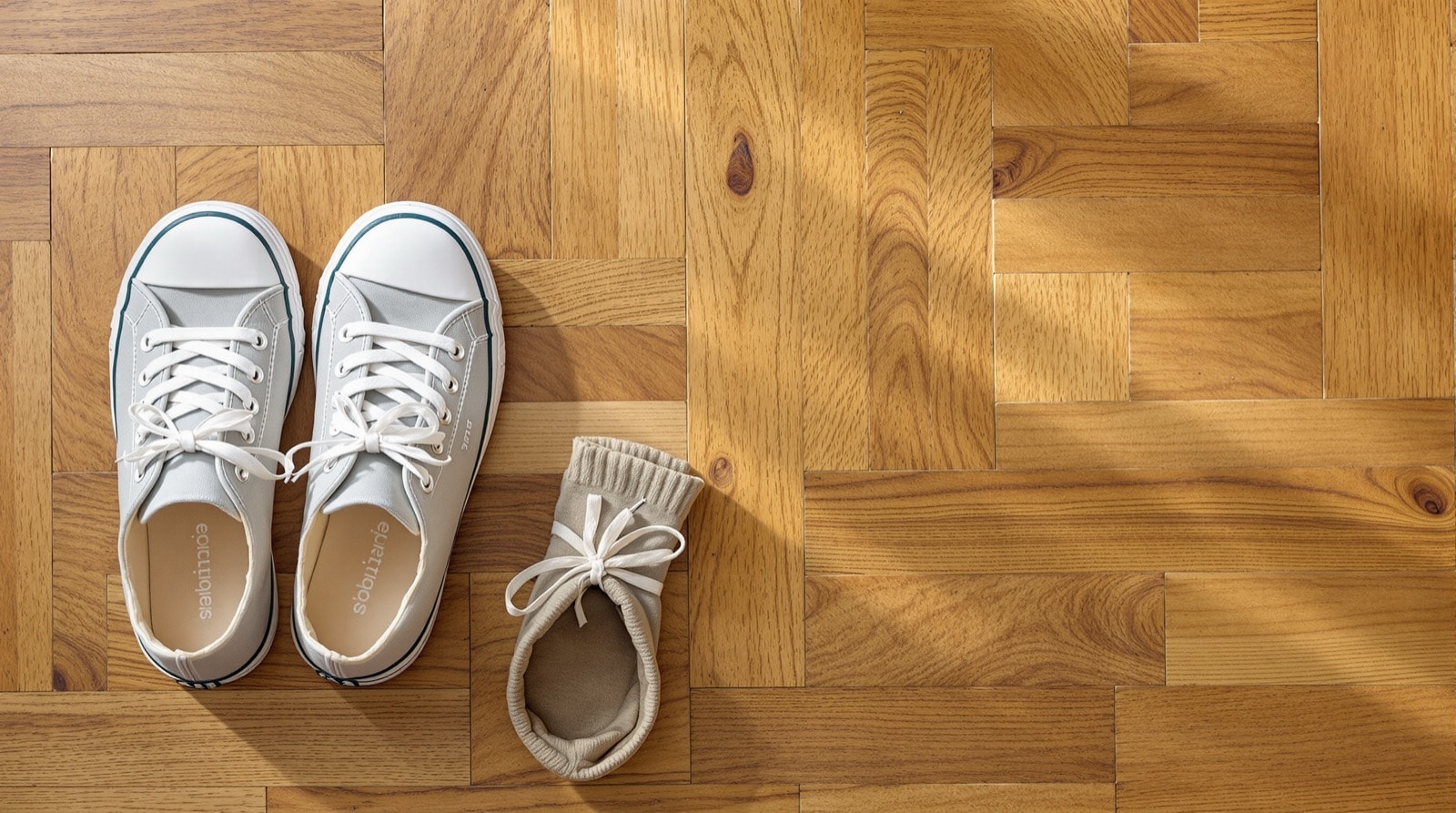
Anatomy and everyday load
How complicated is a foot?
More than people expect. A single foot contains twenty-six bones meeting at thirty-three joints, held together by over a hundred ligaments and moved by around twenty muscles — several of which sit in the lower leg and reach the foot by long tendons. The two feet together account for roughly a quarter of all the bones in the human body.
How much walking does an average person do?
Commonly quoted figures put a typical day at somewhere between eight and ten thousand steps, which over a lifetime amounts to a distance several times the circumference of the Earth. The exact number matters less than the principle: the foot is a structure under repetitive load for decades, and most acquired foot problems are load problems.
How much force goes through the foot?
More than body weight. During normal walking, peak forces through the foot exceed the walker's weight; during running they are typically several times body weight. This is why small mechanical inefficiencies, repeated tens of thousands of times, produce symptoms.
Are foot problems common?
Very. Surveys consistently find that a large majority of adults experience a foot problem of some degree at some point. Prevalence rises with age, with body weight, with diabetes, and with occupations that involve prolonged standing.
Do women get more foot problems than men?
Yes, substantially — estimates commonly place the rate several times higher. The dominant explanation is footwear: sustained wear of shoes with a narrow toe box and an elevated heel, over decades, drives forefoot deformity, and the conditions that follow from it.
Shoes
How should I buy shoes?
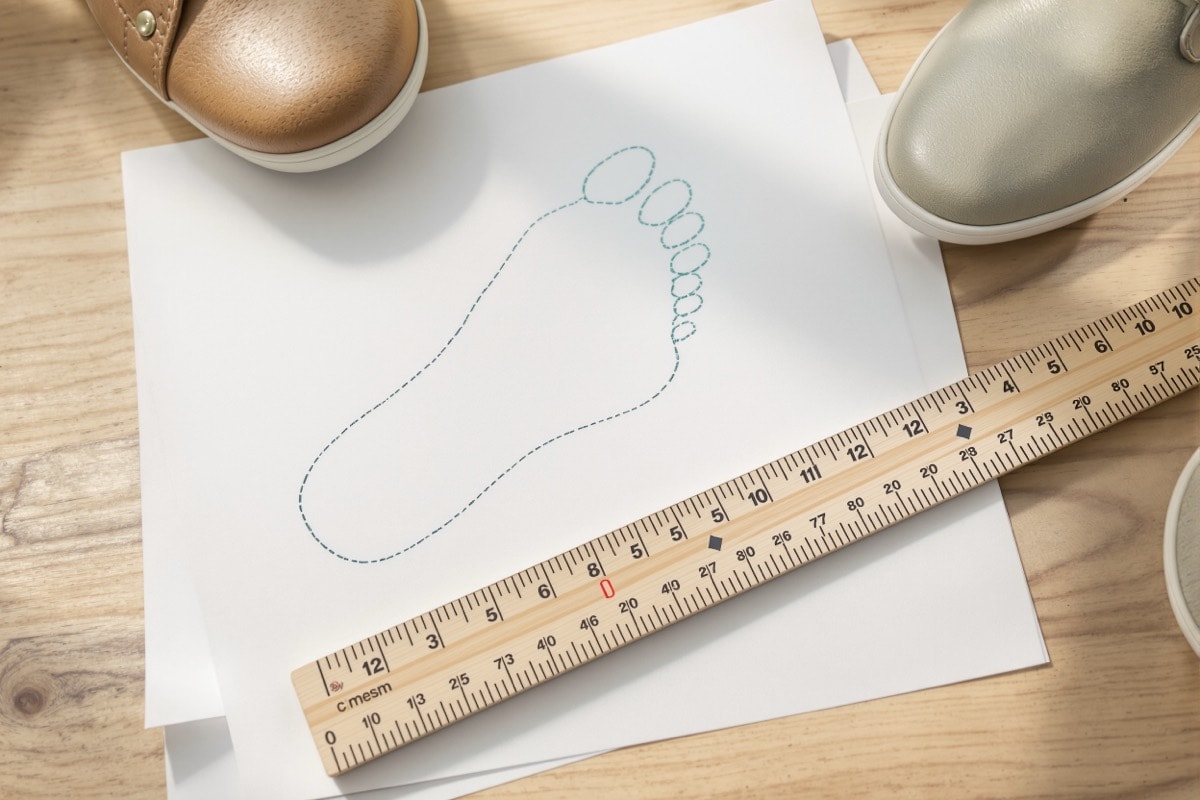
Shop late in the day, because feet swell as the day goes on and a shoe fitted at nine in the morning may be tight by six in the evening. Have both feet measured while standing, since most people have one foot slightly larger and the shoe must fit the larger one. Check width as well as length. Make sure there is a thumb's width of space beyond the longest toe, which is not always the big toe. Walk in them in the shop.
What makes a shoe a good shoe?
A toe box wide and deep enough that the toes are not compressed; a heel that holds the back of the foot firmly; a sole with some torsional stiffness rather than one that twists freely; a fastening that stops the foot sliding forward; and a heel height that is modest. A shoe that has to be "broken in" before it is comfortable is generally a shoe that does not fit.
Is barefoot walking good or bad?
It depends entirely on the foot and the surface. For a healthy foot, time out of shoes is unremarkable and probably useful. For anyone with reduced sensation, diabetes or poor circulation, walking barefoot is specifically advised against, indoors as well as outdoors, because an injury may not be felt.
Nails and skin
How should toenails be cut?
Straight across, with the corners left slightly proud rather than cut down into the nail fold, and not shorter than the end of the toe. Cutting down the corners is the commonest self-inflicted cause of an ingrown toenail. Use proper nail clippers rather than scissors, and cut after a bath when the nail is softer.
Should I use corn plasters or a blade on hard skin?
No. Medicated corn plasters contain an acid that does not distinguish between hard skin and healthy skin, and blades in untrained hands cause wounds. In anyone with diabetes or neuropathy both are actively dangerous. Hard skin is better managed by dealing with the pressure causing it, gentle filing of dry skin, regular moisturising, and professional reduction where needed.
My toenail is thick and yellow. Is it fungal?
Possibly, but not necessarily. Nail psoriasis, repeated trauma from footwear, and other conditions produce a similar appearance. Confirming the diagnosis with nail clippings sent for testing is worth doing before committing to months of treatment — see the page on fungal nails and laser treatment. A single dark or pigmented streak in one nail should always be looked at rather than assumed to be a bruise.
How long does a toenail take to grow out?
A great toenail takes roughly twelve to eighteen months to replace itself completely; smaller nails somewhat less. This is why judgements about nail treatments have to be made over a year, not over a month.
Pain and exercise
What is the best exercise for the feet?
Walking, for most people. It loads the foot in the way it evolved to be loaded, maintains joint range and muscle capacity, and brings general cardiovascular and circulatory benefits alongside. Progressing gradually matters more than the activity chosen; a large proportion of foot injuries follow a sudden increase in load rather than the activity itself.
Why does my heel hurt most on the first steps of the morning?
That pattern — sharp pain under the heel on the first steps after rest, easing after a few minutes of walking — is the classic presentation of plantar heel pain. It is described at length on the heel pain page.
Is foot pain something to put up with?
No. Persistent foot pain is not a normal consequence of ageing, and treating it as inevitable is how small mechanical problems become fixed deformities. Pain that has lasted more than a few weeks, or that is changing your walking, warrants an assessment.
Feet as a signal
Can the feet show signs of other illness?
Frequently, and this is one of the more useful things to know about them. Diabetes, peripheral arterial disease, inflammatory arthritis, thyroid disease, gout and nerve conditions can all present first in the feet — through altered sensation, changed skin or nail texture, swelling, ulceration, sudden severe joint pain or persistent cold. The MedlinePlus foot disorders collection is a reasonable place to read further.
Are foot problems inherited?
Foot shape and structural tendency are substantially inherited — arch height, toe proportions, joint laxity and a predisposition to bunions all run in families. Foot problems largely are not. Only a small proportion of people are born with a foot problem; the great majority of what presents in clinics is accumulated over a lifetime of footwear, load and neglect.
When should I stop reading and see someone?
When something is worsening rather than settling, when a wound is not closing, when there is new numbness, when the shape or colour of the foot changes, when a joint becomes suddenly hot and swollen, or immediately for any foot problem at all if you have diabetes. The full list is on when a foot problem needs professional care.