What is actually happening
In hallux valgus the first metatarsal — the long bone behind the big toe — drifts toward the midline of the body while the big toe itself angles outward toward the smaller toes. The prominence people see and feel on the inside of the foot is the head of that metatarsal now sitting exposed, not new bone. Over time the joint capsule stretches on one side and tightens on the other, the tendons crossing the joint begin to pull the toe further out of line, and the deformity becomes self-reinforcing.
Because it is a joint alignment problem, it does not spontaneously improve, and no external device applied to an adult foot has been shown to reverse it. OrthoInfo's bunion page and the NHS bunion overview both make the same point.
Why they develop
Family history is the strongest single factor — inherited foot structure, joint laxity and first-ray mobility largely determine susceptibility. Footwear is the major modifiable one: narrow toe boxes and elevated heels drive the toes together and load the joint in the position that promotes drift. Bunions are markedly more common in women, and markedly more common in populations that habitually wear constricting shoes.
Other contributors include inflammatory arthritis, hypermobility syndromes, a flat or pronating foot type, and neurological conditions affecting muscle balance.
Hammertoes, claw toes and mallet toes
These are related deformities of the smaller toes, distinguished by which joints are bent:
- Hammertoe — bent at the middle joint, so the toe buckles upward at the knuckle.
- Claw toe — bent at both the middle and end joints with the base joint pulled up, giving a claw shape.
- Mallet toe — bent at the end joint only, so the tip presses down.
They arise from muscle imbalance, footwear that is too short, and crowding caused by a bunion pushing the big toe into its neighbour. Early on they are flexible and can be straightened passively; over time they become fixed. Symptoms come from friction — corns on top of the buckled joint, at the tip, or between the toes — and from pressure under the ball of the foot, where the deformity drives the metatarsal head downward. The OrthoInfo hammer toe guide describes the progression.
What non-surgical management can and cannot do
It cannot straighten the toe. It can, in many cases, control symptoms indefinitely — and since the deformity is often painless for years, symptom control may be all that is needed.
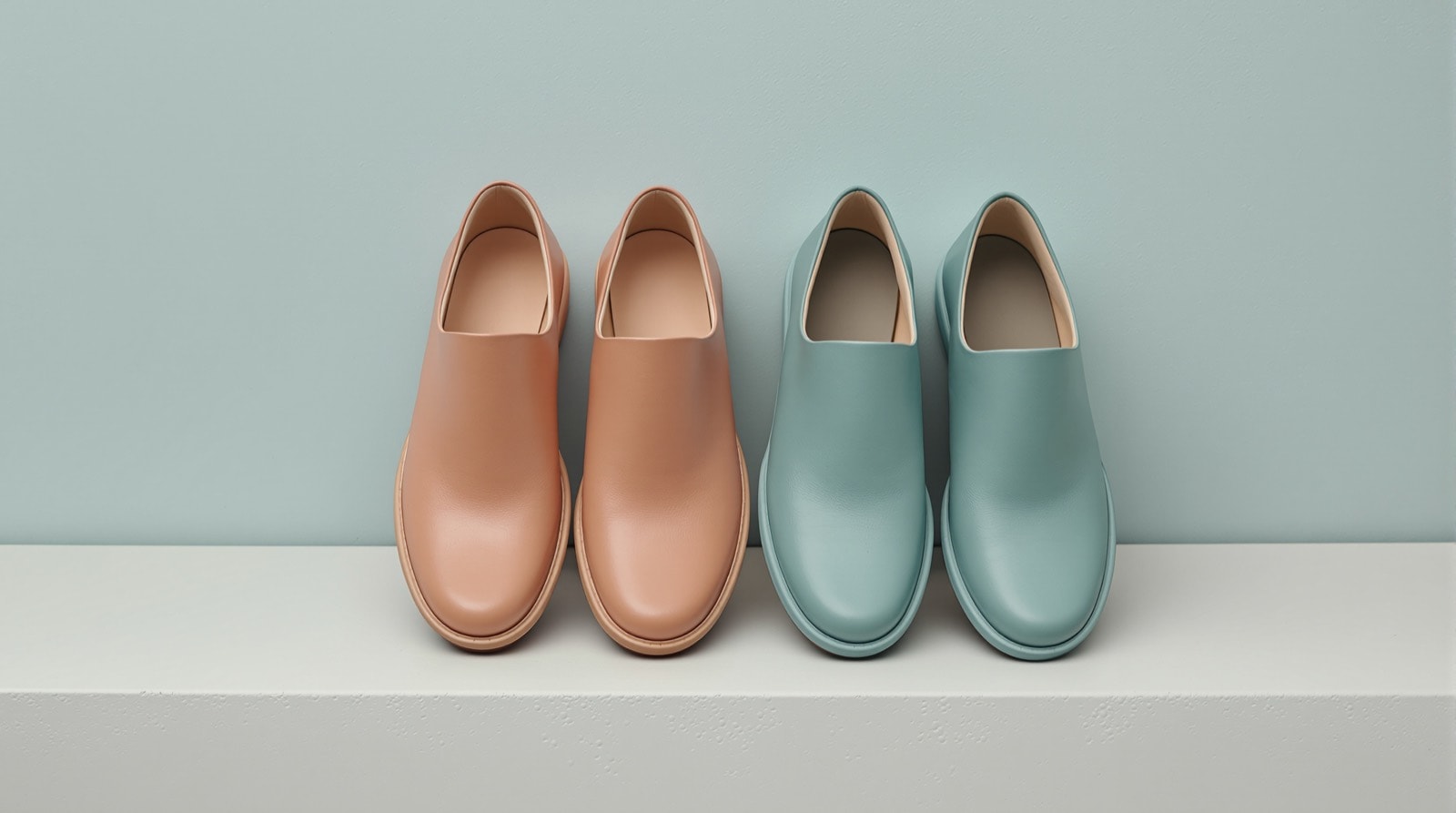
Footwear is the intervention that matters most. A shoe with a genuinely wide, deep, rounded toe box, a low heel and a fastening that stops the foot sliding forward removes most of the friction and much of the pain. Measuring the widest part of the foot and buying to that, rather than to length alone, is the practical step. Some people have shoes stretched over a prominence, which can work for a localised problem.
Padding and toe separators reduce friction between and over toes. They are symptomatic aids, not correctors.
Orthoses may help where there is associated arch collapse or forefoot overload, particularly for pain under the ball of the foot. They do not correct the alignment.
Callus and corn management reduces pain from the pressure points, but only lasts while the pressure is also addressed.
Splints worn at night may improve comfort. Claims that they correct adult deformity are not supported.
When surgery is worth considering
The honest threshold is pain and function, not appearance. Surgery is generally considered when pain persists despite proper footwear changes and other measures, when the deformity prevents wearing reasonable shoes, when the lesser toes are being displaced or crossing over, or when there is progressive pain under the ball of the foot from transferred load.
It is generally not recommended for cosmetic reasons alone. That is not a moral judgement but a practical one: a considerable number of surgical procedures exist for hallux valgus, chosen according to the severity and location of the deformity, recovery takes months rather than weeks, and complications — recurrence, stiffness, transfer pain, ongoing discomfort — are not rare. A painless bunion in a shoe that fits is often best left alone.
If surgery is proposed, useful questions include which procedure and why that one, what the realistic recovery timeline is including time off work and driving, what the recurrence rate is in that surgeon's hands, and what happens to the smaller toes if only the big toe is corrected.
Slowing progression
Realistically, footwear is the lever. Wearing shoes that do not compress the forefoot, from as early as possible and consistently, is the only widely accepted way to reduce the rate of progression. Maintaining mobility at the big toe joint, keeping body weight in a reasonable range, and dealing with associated arch problems all help symptomatically.
When to get it looked at
Sooner rather than later if the toe is drifting quickly, if a lesser toe is starting to cross, if pain is developing under the ball of the foot, if skin over a prominence is breaking down, or if there is redness and warmth suggesting inflammation or infection. And immediately, whatever the appearance, if you have diabetes or reduced sensation — a bunion in an insensate foot is a pressure point with an ulcer waiting on it. See the diabetic foot and when a foot problem needs professional care.